


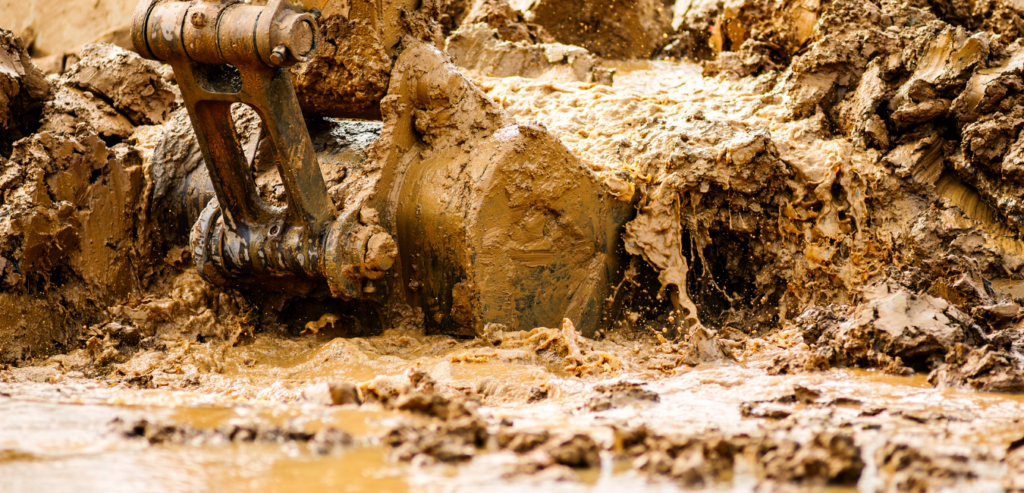
On construction sites, quarries, and earthmoving operations, one of the main critical issues is the solids entrained by water during vehicle washing. Soil, sand, and mineral particles mix with the fluid, forming suspensions that can subsequently settle and generate sludge.
The quantity and characteristics of these materials can vary significantly from site to site. Grain size and concentration also affect the behavior of the wastewater and the technology required to treat it.
Ineffective separation can promote sediment accumulation in tanks and increase cleaning requirements. It can also subject pumps, pipes, and other system components to more demanding operating conditions.
Treatment must therefore be sized based on the actual amount of contaminant the system must handle, especially when vehicle traffic and washing cycles are high.
Sludge and suspended solids: when the problem comes from the ground
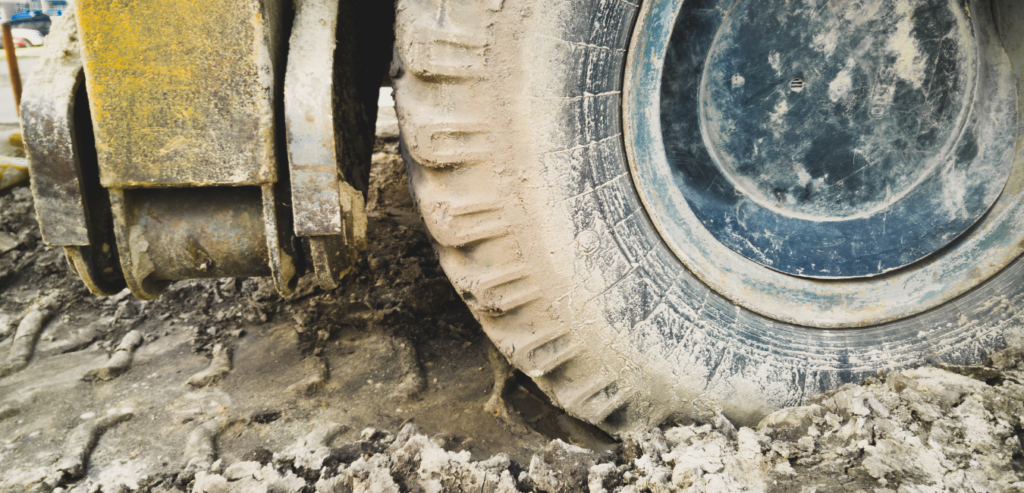
On construction sites, quarries, and earthmoving operations, one of the main critical issues is the solids entrained by water during vehicle washing. Soil, sand, and mineral particles mix with the fluid, forming suspensions that can subsequently settle and generate sludge.
The quantity and characteristics of these materials can vary significantly from site to site. Grain size and concentration also affect the behavior of the wastewater and the technology required to treat it.
Ineffective separation can promote sediment accumulation in tanks and increase cleaning requirements. It can also subject pumps, pipes, and other system components to more demanding operating conditions.
The treatment must therefore be sized based on the actual quantity of contaminants the system must handle, especially when vehicle traffic and washing cycles are high.
When oils are present, change the treatment
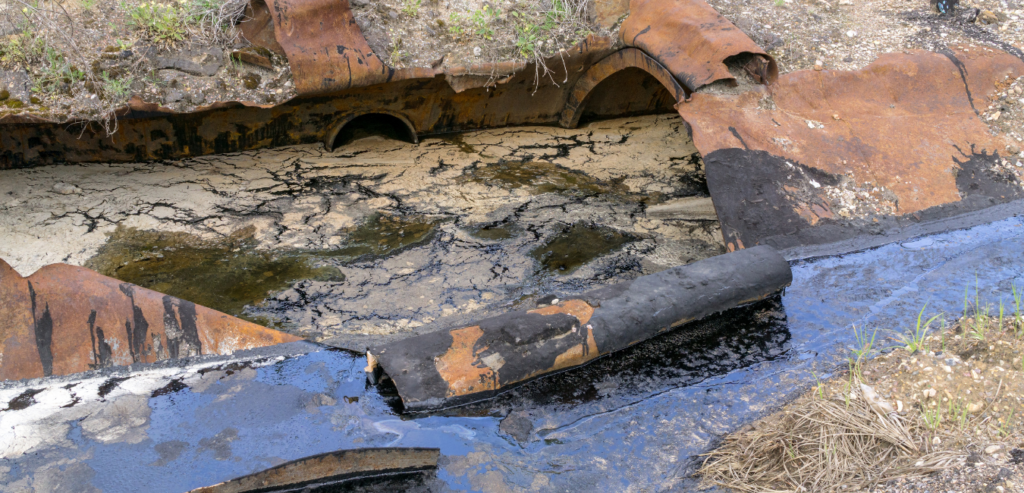
Wastewater containing mostly soil and sand presents different needs than water containing oily substances. Oils and other hydrocarbon contaminants can originate from vehicle surfaces, processing, or maintenance activities.
In these cases, relying solely on solids sedimentation may not be sufficient. Separation of the oily component and the specific characteristics of the contaminant must also be considered.
Correctly identifying the substances present is therefore the first step in avoiding a common mistake: designing the system based on the available technology rather than the wastewater to be treated.
A truly efficient system follows the opposite path. First, the process, the type of contamination, and the objectives to be achieved are analyzed; then the most appropriate technologies are identified.
Contaminant concentration also makes a difference.
Knowing the type of contaminant is not enough. Two systems can produce wastewater containing similar substances, but in very different concentrations.
A washing system used occasionally does not operate under the same conditions as a system continuously traversed by heavy vehicles. As the number of cycles increases, the amount of material transferred to the water increases, changing the load the treatment system must withstand.
Weather conditions can also rapidly change the situation. During very rainy periods, for example, vehicles can transport greater quantities of sludge. During dry periods, however, the presence of soil and dust may prevail.
For this reason, sizing must take into account actual operating conditions and potential peaks in use. A properly designed system must maintain reliable performance even as the contaminant load increases.
Treating water to recover it
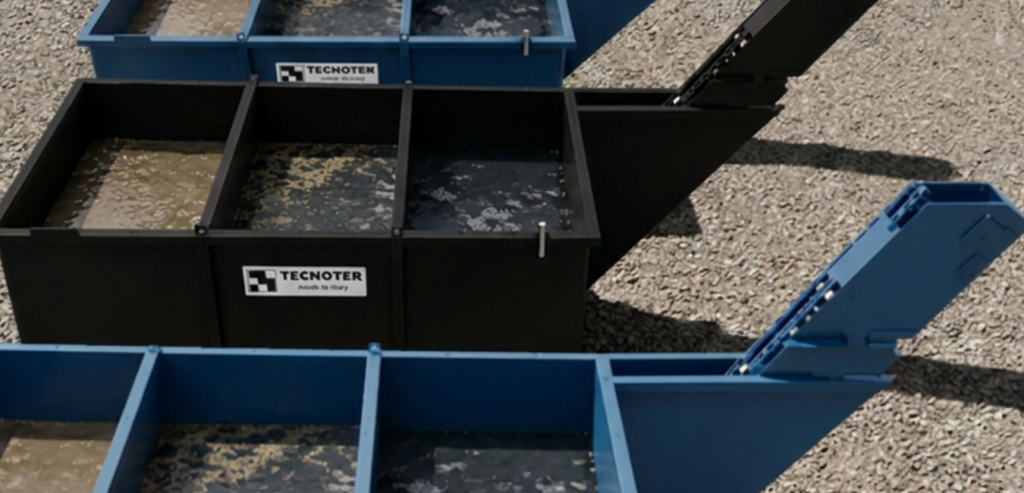
Filtration serves more than just separating wastewater. In modern washing systems, treatment can have a second strategic objective: enabling resource recovery within the process.
Through closed-loop filtration systems, water can be treated and reintroduced into the washing cycle, reducing the need for new water and the volumes to be managed outside the process.
The effectiveness of this approach, however, depends on the ability to choose the correct treatment phases. Sludge, solids, and oily substances cannot be treated equally. It is the combination of technologies best suited to the characteristics of the wastewater that determines overall efficiency.
For Tecnoter Group, designing a filtration system therefore means considering washing, contamination, treatment, and water recovery as parts of a single process.
The right solution arises from system analysis.
There is no one-size-fits-all system because no two operating conditions are perfectly identical. The type of media, number of steps, substances present, amount of water used, and recovery objectives all contribute to defining the needs of each site.
In some cases, it may be necessary to design a new system. In others, however, an existing plant can be improved by integrating new treatment phases or updating the hydraulic and filtration systems.
This approach allows interventions to be made where truly necessary, avoiding oversizing and solutions that are inconsistent with the process. Modularity thus takes on a strategic value, as it allows the system to evolve alongside production needs.
Do you really know what’s in your system’s water?
Choosing the right technology starts with understanding your wastewater. A system designed based on the actual characteristics of contaminants can improve filtration, simplify water management, and increase the efficiency of the entire cleaning cycle.